Brainzy has become a familiar name for parents looking for a fun way to support their children’s learning. It brings school skills into interactive activities that can feel more like play than regular homework.
From early numbers and reading to more advanced practice, Brainzy for kids offers different ways to learn. But what exactly does it do, who can use it, and is it really useful for children?
What Is Brainzy?
Brainzy is a digital learning platform that uses interactive games and activities to help children practice important school skills. It focuses mainly on early learning and elementary education. Children can work on subjects such as math, reading, language, and typing while exploring colorful and engaging activities.
The main idea behind Brainzy is simple. Children often learn better when they enjoy what they are doing. Instead of making every practice session feel like a worksheet, Brainzy turns many lessons into games, stories, songs, challenges, and other interactive experiences. This approach can make repeated practice easier for children who quickly lose interest in traditional homework.
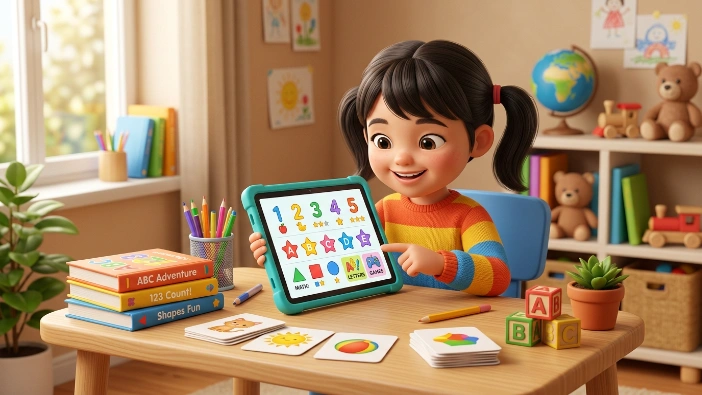
Brainzy at a Glance
| Feature | Details |
|---|---|
| Main purpose | Educational learning and skill practice |
| Target users | Children and young learners |
| Main subjects | Math, reading, language, and typing |
| Learning style | Games and interactive activities |
| Age range | Mainly preschool and elementary learners |
| Access | Online through a web browser |
| Best use | Extra practice and learning support |
Brainzy can work for children with different learning needs. A young learner may use a simple activity to recognize numbers or letters. An older child may use more challenging exercises to strengthen math, reading, or other academic skills. The goal remains the same: practice a useful skill while keeping the experience engaging.
Parents can also make Brainzy part of a larger learning routine. For example, a child can read a book, complete a short Brainzy activity, and then practice the same concept away from the screen. This combination gives children different ways to understand and remember new information.
How Does Brainzy Work?
Brainzy uses interactive activities to turn learning practice into something children can actively participate in. Instead of simply reading information, children may need to choose an answer, identify an object, solve a problem, match items, or complete another task. Immediate feedback can help children understand whether they made the right choice.
The experience can also change according to the child’s learning level. Younger children may work with basic concepts, while older students can practice more developed skills. This makes it important for parents and teachers to choose activities that match the child’s current ability rather than simply selecting something because it looks entertaining.
Brainzy Games and Learning Activities
Brainzy games are one of the main reasons children may find the platform interesting. Games can turn repeated practice into a small challenge. Instead of solving the same type of problem on paper again and again, a child can practice through an activity with movement, characters, sounds, or visual rewards.
This method can help with motivation, but parents should still focus on the learning goal. A child should understand what they are practicing. If a child only focuses on winning or collecting rewards, the educational value can become weaker.
Brainzy Rewards and Creative Activities
Brainzy also uses rewards to encourage children to continue practicing. Depending on the activity and account type, children can collect items such as coins or awards. These rewards can give children another reason to complete learning activities.
Creative features can add another layer to the experience. Children often enjoy drawing, coloring, and creating pictures, so these activities can provide a break from academic exercises. The important thing is balance. Rewards should encourage learning rather than become the main reason a child uses the platform.
What Can Kids Learn With Brainzy?
Brainzy learning covers several skills that children develop during their early school years. Math and reading form an important part of the experience, while other activities can help children improve language and typing skills. The exact activities can vary depending on the child’s level and the content available at the time.
The biggest benefit comes from regular practice. Children often need to see and use a new concept several times before it becomes familiar. Brainzy can give them another opportunity to practice after a parent or teacher has already introduced the idea.
Brainzy Math Games
Brainzy math games can help children build confidence with numbers and basic mathematical ideas. Early learners may practice counting, number recognition, shapes, patterns, and simple calculations. Older children can move toward more challenging concepts as their skills develop.
Math becomes easier when children connect numbers with real situations. Parents can strengthen digital practice by asking children to count toys, compare objects, measure ingredients, or calculate simple amounts during everyday activities. Brainzy can provide practice, while real-life examples help children understand why those skills matter.
Brainzy Reading and Language Games
Brainzy reading games can support children as they develop early literacy skills. Activities may introduce letters, sounds, words, vocabulary, and reading practice. Stories and other interactive content can also help children spend more time around written and spoken language.
Reading improves through regular exposure and active practice. A child should not rely only on digital activities. Reading physical books, talking about stories, writing simple sentences, and learning new words during everyday conversations can make the learning experience much stronger.
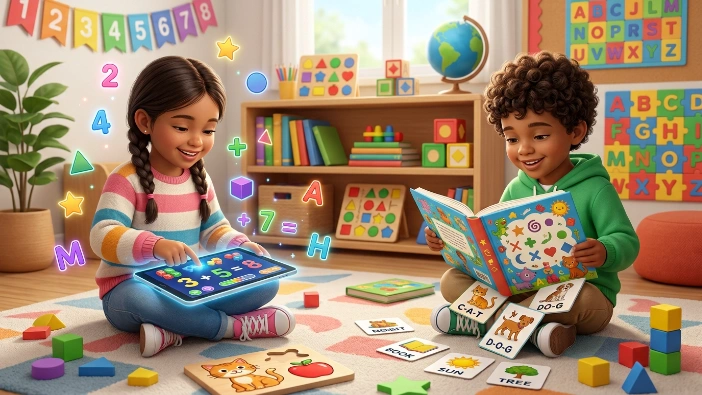
What Age and Grade Is Brainzy For?
Brainzy mainly targets preschool and elementary-age children. Its activities can support learners from early childhood through the elementary years. However, children do not all develop at the same speed, so age should not act as the only guide when choosing an activity.
A better approach involves looking at the child’s current skills. If an activity feels too easy, the child may become bored. If it feels too difficult, the child may become frustrated. The right level should provide enough challenge without making the child feel lost.
Brainzy for Preschoolers
Brainzy for preschoolers can introduce basic concepts in a playful way. Young children can begin exploring numbers, letters, sounds, shapes, and simple problem-solving activities. These early experiences can help make learning feel familiar before children enter formal schooling.
Parents should stay nearby when younger children use digital learning tools. A child may understand how to use the controls without understanding the lesson. Simple questions can help parents check whether the child actually understands the concept.
Brainzy for Kindergarten and Elementary Students
Kindergarten and elementary students can use Brainzy for additional practice. A child who learns something at school can use an interactive activity later to reinforce the same idea.
For example, a child learning addition may benefit from extra number games. A child working on reading may enjoy activities that introduce words or sounds in different ways. Short practice sessions can help children build confidence without turning every activity into a formal test.
Brainzy for Parents and Teachers
Parents and teachers can use Brainzy for kids as a learning support tool. Parents may introduce it during home practice, while teachers can use digital activities to reinforce lessons. The platform works best when adults choose activities with a clear learning purpose.
Teachers can also use structured activities to give students additional practice. This can help when students need more repetition after a lesson. However, digital activities should work alongside classroom discussion, writing, reading, experiments, projects, and hands-on learning.
Brainzy for Parents
Parents can create a simple routine around Brainzy. A child might spend a short amount of time practicing one skill instead of using the platform without a clear goal.
For example:
- Choose one skill to practice.
- Let the child complete a few activities.
- Ask simple questions about what they learned.
- Connect the lesson with something outside the screen.
- Stop when the child becomes tired or frustrated.
This approach keeps the experience focused. It also helps parents see whether the child actually understands the material.
Brainzy for Teachers
Teachers can use Brainzy educational games as additional classroom practice. They can select activities that support a lesson and give students an opportunity to work independently.
This can prove helpful in classrooms where students have different skill levels. Some children may need extra practice, while others may need more challenging work. Digital activities can give teachers another way to support those differences without making every student complete exactly the same task.
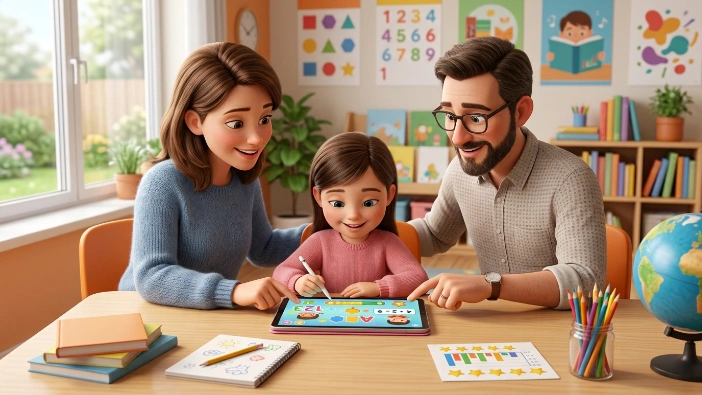
Is Brainzy Free?
Whether Brainzy is free depends on the type of access available to the user. Some learning content may have limited access, while broader features can require a paid membership. Parents should always check the current access options before deciding whether a subscription makes sense for their family.
The value of a paid plan depends on how often the child will use the platform. A family that uses Brainzy occasionally may not need extensive access. A family that uses it regularly for learning practice may get more value from broader access.
Brainzy Free vs. Paid Access
| Feature | Basic Access | Paid Access |
|---|---|---|
| Cost | Free option | Subscription |
| Learning activities | Limited | More access |
| Brainzy games | Limited | Expanded |
| Extra learning resources | Limited | More available |
| Guided activities | Limited | Broader access |
| Best suited for | Occasional use | Regular practice |
Pricing and membership features can change over time. Parents should therefore check the current options before purchasing anything.
How to Access Brainzy
Children can access Brainzy online through a web browser. This makes it possible to use the platform on common devices such as computers, tablets, and some mobile devices.
A dedicated app is not always necessary. Browser access can make the platform easier for families who use different devices at home. Parents should make sure the device has a stable internet connection and that the browser works properly before starting a learning session.
Is Brainzy Safe and Worth Using for Kids?
Parents naturally want to know whether an online learning platform is suitable for children. Brainzy focuses on educational content for young learners, but parents should still stay involved. Supervision becomes especially important when younger children use any online platform.
Screen time also deserves attention. Even a useful educational activity can become unhelpful when children spend too much time on a device. A healthy routine should include reading, outdoor play, creative activities, family interaction, and hands-on learning.
Brainzy Pros and Cons
| Pros | Cons |
|---|---|
| Interactive learning | Requires screen time |
| Fun practice activities | Some features may require payment |
| Supports different learning skills | Not a replacement for teaching |
| Suitable for young learners | Children may focus on rewards |
| Can support home learning | Requires an internet connection |
| Offers different activity types | Not every activity suits every child |
One major advantage of Brainzy learning games is variety. Children can approach a skill through different activities instead of repeating the exact same exercise. This variety can help children who become bored with traditional practice.
The main limitation is that digital learning cannot provide everything a child needs. Children also need real conversations, physical activities, books, writing practice, creative work, and opportunities to solve problems without a screen.
Is Brainzy Worth It for Parents?
Brainzy can be useful when a child needs extra practice and enjoys learning through games. It can also save parents time because they do not need to create every activity themselves.
However, parents should use it with a clear purpose. Ten or fifteen focused minutes can provide useful practice. Unlimited screen time usually does not offer the same benefit. The goal should remain learning first and entertainment second.
Brainzy FAQs
What is Brainzy?
Brainzy is an interactive learning platform designed mainly for children. It uses games, activities, stories, and other digital content to help children practice school-related skills. The platform focuses on areas such as math, reading, language, and typing. Younger children can work on basic concepts, while older elementary students can practice more advanced skills. Brainzy works best as an extra learning tool rather than a complete replacement for school or home teaching. Parents can use it to add variety to a child’s routine, while teachers can use interactive activities to reinforce lessons. The goal is to make regular practice feel more engaging and less like traditional homework.
What age is Brainzy for?
Brainzy mainly targets preschool and elementary-age children. The activities cover a range of learning levels, so younger children can practice basic concepts while older students can work on more challenging skills. Parents should choose activities based on the child’s ability rather than age alone. Children often develop at different speeds, and the same activity may feel easy for one child but difficult for another. The best activity should provide a small challenge without causing frustration. Parents can also move between easier and harder activities as the child’s confidence grows. This makes Brainzy more flexible for different young learners.
Is Brainzy free?
Brainzy may offer limited access without a paid membership, while broader features can require a subscription. The exact options can change, so parents should check the current membership choices before paying. A free option may suit families that want occasional educational activities. A paid option may provide more value for families that plan to use Brainzy often. Before subscribing, parents should consider how frequently their child will use the platform and whether its activities match the child’s learning needs. A subscription only makes sense when the family expects to use the extra content regularly and consistently.
Is Brainzy good for homeschooling?
Brainzy can work well as an extra resource for homeschooling. It can give children additional practice with math, reading, language, and other skills while adding variety to the daily routine. However, it should not become the entire homeschool program. Children need books, writing, conversations, projects, experiments, creative activities, and real-world experiences. Parents can use Brainzy after teaching a concept and then ask the child to apply that concept outside the digital activity. This approach creates a better balance. Brainzy can handle some practice, while parents continue to provide the guidance and deeper learning that children need.
Is Brainzy worth using for kids?
Brainzy can be worth using when a child enjoys interactive learning and needs extra practice. Its game-based approach may make repeated exercises feel more interesting than ordinary worksheets. The platform can also give parents another way to introduce or reinforce basic skills. However, its value depends on how parents use it. Children should not spend unlimited hours playing educational games simply because the activities contain learning content. Short, focused sessions usually work better. Parents should also combine Brainzy with books, physical play, creative activities, conversations, and hands-on learning. Used in that way, Brainzy can become a useful part of a balanced learning routine.
Final Thoughts
Brainzy gives children a playful way to practice important academic skills. Its combination of games, activities, stories, rewards, and interactive exercises can make learning feel more interesting.
The platform works best when parents and teachers use it as one part of a larger learning routine. Children still need books, conversations, writing, physical activities, creativity, and real-world experiences.
If a child enjoys learning through games, Brainzy can provide useful extra practice while helping make everyday learning a little more enjoyable.

Hazel Vorice McCord: Biography, Family Life, and the Woman Behind the Van Dyke Brothers
Hazel Vorice McCord is a name associated with one of America's best-known entertainment families. More reliably identified as Hazel Victoria McCord Van Dyke, she was the mother of legendary actor…


Ben Leo Wife: What Is Known About His Marriage and Family
Ben Leo’s wife is identified in online biographical profiles as Rhian Leo, sometimes called Rhian Wade. However, direct confirmation of her full name and their wedding details remains limited in…

Solita Liliana Rivera: Her Family, Education and Public Story
Solita Liliana Rivera is the youngest daughter of television journalist Geraldo Rivera and his wife, Erica Michelle Levy. Her father’s media career and family updates draw interest in her life.…

Caleb James Goddard: Biography, Family, Career, and Life Story
Caleb James Goddard is an American former journalist and diplomat best known publicly as the son of Hollywood actor Jack Nicholson and actress Susan Anspach. However, his life story extends…

Christian Corry: The Pilot Behind a Remarkable Aviation Career
Christian Corry is best known publicly as the former husband of American soccer legend Mia Hamm. Yet that description captures only a small part of his story. Professional aviation records…

Heather Lynn Hodgins Kidd: The Private Life Behind a Famous Name
Heather Lynn Hodgins Kidd occupies an unusual place in celebrity culture. Her name is closely connected with Bernie Taupin, the celebrated English lyricist whose songwriting partnership with Elton John produced…